
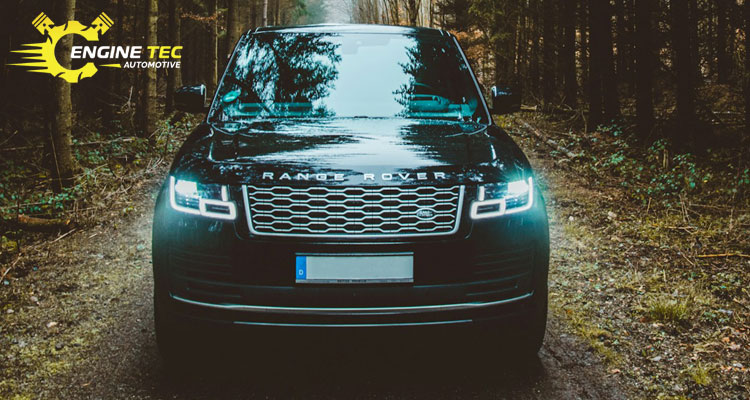
Hybrid technology has reshaped the automotive industry, and Land Rover has embraced this evolution with remarkable success. The latest Range Rover Engine now integrates advanced hybrid systems that enhance performance, efficiency, and environmental responsibility without compromising the brand’s signature luxury and power. Whether it’s a plug-in hybrid (PHEV) or a mild-hybrid (MHEV) setup, the new generation of Range Rover engines combines traditional combustion with electric innovation. We explores how hybrid technology has transformed the Range Rover Engine, its benefits, design philosophy, and its implications for owners considering reconditioned engines as a cost-effective alternative.
Evolution of the Range Rover Engine: From Traditional Power to Hybrid Innovation
The Range Rover Engine has undergone a revolutionary transformation in recent years. Traditionally, Range Rover models were powered by large-capacity petrol or diesel engines known for their immense torque and off-road dominance. However, global pressure for cleaner and more efficient mobility pushed Land Rover engineers to rethink powertrain design. The result was the introduction of hybrid and electrified systems that blend combustion efficiency with electric precision. Mild-hybrid (MHEV) versions employ a 48-volt battery to support the internal combustion engine, enhancing acceleration and reducing fuel consumption. Meanwhile, the plug-in hybrid (PHEV) variant combines an efficient petrol engine with a powerful electric motor, capable of driving short distances on pure electric power. This shift toward hybridization marks a defining moment in the Range Rover legacy, proving that sustainability and luxury performance can coexist harmoniously.
How Hybrid Technology Improves Efficiency in the Latest Range Rover Engine
Efficiency has always been a primary objective of hybrid technology, and the latest Range Rover Engine showcases this commitment brilliantly. The MHEV system captures energy typically lost during braking or deceleration and stores it in a lithium-ion battery. This energy is then redeployed to assist during acceleration or when the engine demands extra power, effectively reducing strain on the combustion engine. The start-stop system operates seamlessly, turning off the engine when idling to save fuel and cutting emissions significantly in urban driving conditions. For the PHEV models, the electric motor can power the vehicle alone for up to 50–60 miles, depending on driving conditions, which greatly reduces petrol consumption. The combined hybrid setup not only improves miles per gallon but also lowers CO₂ output, aligning with stricter global environmental standards without compromising the signature Range Rover performance.
Enhanced Performance and Driving Dynamics Through Electric Assistance
Contrary to the belief that hybrid systems compromise performance, the latest Range Rover Engine proves that electric assistance can actually enhance it. The instant torque provided by the electric motor delivers smoother and more immediate acceleration, eliminating lag often associated with turbocharged engines. The synergy between the electric motor and internal combustion engine creates a powerband that’s both responsive and refined. In dynamic mode, the hybrid system optimizes both power sources for maximum output, ensuring rapid acceleration on highways and superior performance on inclines. The added benefit of electric torque also enhances off-road control, as it provides precise throttle modulation in low-speed, technical terrains. This combination of electric and combustion power defines a new era of Range Rover performance—one that offers thrilling responsiveness while remaining environmentally conscious.
Hybrid Technology and Its Impact on Off-Road Capabilities
One of the biggest questions surrounding hybridization was whether it could maintain the off-road prowess for which Range Rover is legendary. The latest Range Rover Engine answers that with a resounding yes. Thanks to electric torque’s instant delivery, hybrid Range Rovers excel in situations requiring delicate throttle control, such as rock crawling or steep descents. The integration of hybrid technology complements the Terrain Response system, automatically adjusting power distribution between the engine and electric motor to provide optimal traction. Additionally, hybrid systems improve weight balance due to battery placement, lowering the vehicle’s center of gravity and enhancing stability on uneven terrain. Even when running in pure electric mode, the Range Rover maintains impressive traction and control. The result is a vehicle that not only meets the brand’s off-road reputation but elevates it with smoother, quieter, and more controlled performance.
The Role of Hybrid Systems in Reducing Emissions and Environmental Impact
Sustainability is a driving force behind hybrid technology, and the latest Range Rover Engine demonstrates a genuine commitment to reducing its environmental footprint. Hybrid systems enable the vehicle to cut emissions drastically by optimizing combustion efficiency and supplementing power with electricity. The PHEV variant allows zero-emission driving in urban zones when operating solely on electric power, supporting cleaner city air and compliance with low-emission zone regulations. Meanwhile, the MHEV system ensures that every joule of energy is used effectively, minimizing waste. Land Rover’s engineering team has optimized battery production and recycling processes to further reduce the overall carbon footprint. Additionally, the latest Range Rover models are built with lightweight materials, contributing to better fuel efficiency. This integration of sustainability into performance vehicles proves that environmental responsibility and power can thrive together.
Cost-Effectiveness and Maintenance Advantages of Hybrid Range Rover Engines
One misconception about hybrid vehicles is that they are costly to maintain. However, the latest Range Rover Engine design counters this belief with remarkable efficiency and reliability. Electric motors reduce the workload on internal combustion components, resulting in less wear and longer service intervals. Regenerative braking extends brake pad life, while the engine’s start-stop technology limits idling and unnecessary fuel use. Although the initial purchase price may be higher, the long-term operational savings can be substantial. Hybrid systems are also supported by advanced diagnostics that make maintenance easier and more precise. For owners considering reconditioned engines, hybrid technology introduces an additional opportunity—reconditioned hybrid engines can be sourced and fitted at significantly lower prices compared to buying new ones. This offers a cost-effective path to owning a high-performance hybrid Range Rover while enjoying reduced fuel costs and eco-friendly credentials.
The Relationship Between Hybrid Technology and Reconditioned Engines
As hybrid technology becomes more mainstream, the market for reconditioned engines has evolved to include hybrid systems. Reconditioned Range Rover Engines that incorporate hybrid components undergo rigorous testing to ensure compatibility and reliability. The process includes rebuilding the combustion engine, inspecting the electric motor, and reconditioning the hybrid battery system. Buyers benefit from lower costs and sustainability since reconditioning extends the lifespan of existing materials and reduces waste. It’s vital to source reconditioned hybrid engines from reputable specialists familiar with the complex electronics and energy management systems of the latest Range Rover models. Properly reconditioned engines perform nearly as efficiently as new ones, offering an eco-friendly and affordable solution for owners seeking performance restoration without the price tag of a new hybrid powertrain. This growing market highlights how reconditioning supports both financial and environmental sustainability.
The Future of Range Rover Engines: Electrification Beyond Hybrid Systems
The introduction of hybrid technology is just the beginning of Land Rover’s electrification journey. The future of the Range Rover Engine points toward full electric propulsion (EVs), where electric motors replace internal combustion altogether. Land Rover has already announced plans to expand its EV lineup by 2030, incorporating advanced battery systems with extended range and ultra-fast charging capabilities. However, hybrid technology will remain crucial during this transition phase, bridging the gap between traditional engines and full electrification. Continued advancements in battery density, cooling systems, and regenerative efficiency will further enhance performance and reliability. For now, hybrid Range Rover engines offer the perfect balance of power, luxury, and responsibility. As technology evolves, even reconditioned engines may adopt modular components that allow easier upgrades and integrations with next-generation systems, ensuring longevity and adaptability in an ever-changing automotive landscape.